
MPD & UBD Specialists
Our Dynamic Drilling Digital Toolkit is designed to educate and support clients in Managed Pressure Drilling (MPD) and Underbalanced Drilling (UBD) operations. Combining advanced engineering principles with real-world application, this interactive resource helps you understand key concepts such as pressure management, wellbore stability, and flow control.
Alpine Energy Services (MPD) services offer a sophisticated approach to drilling that enhances safety, efficiency, and cost-effectiveness. Our MPD solution is designed for precise control over the wellbore pressure, enabling drilling operations in complex and challenging environments.
Managed Pressure Drilling (MPD) is a specialized drilling technique that involves carefully controlling the pressure inside the wellbore to prevent unexpected surges of oil, gas, or fluids from formations. In MPD, engineers use advanced equipment and techniques to precisely regulate the pressure, allowing for safer and more efficient drilling. This method helps reduce the risk of well control issues, such as blowouts and enables drilling in challenging environments where traditional methods may not be effective.
MPD is often used in deepwater drilling, high-pressure formations, and other complex drilling scenarios. MPD offers a closed-loop system to balance and manage pressures, enhancing drilling efficiency and safety. Our experts and equipment provide end-to-end services, from planning to handling fluids and gas at the surface. Our services include analysis, planning, and execution of MPD programs. Specialized services are also available for high-efficiency operations. We use advanced software to establish optimal pressure limits, fluid hydraulics, and mud weights for the well design and drilling plan.
If MPD is needed, we select and optimize equipment to integrate economically with the rig. Customized systems are designed for each well, ensuring maximum performance. Our engineers execute the plan, managing pressure throughout drilling, tripping, and cementing. Rapid response to changing situations turns MPD decisions from reactive to proactive.
Using the latest technology in advanced adaptive control, our choke Control System is a robust real-time controller, specialized in automated managed pressure drilling (MPD) and underbalanced drilling (UBD) operations. It allows the driller to maintain constant bottom-hole pressure by controlling the equivalent mud weight, adjusting it within seconds instead of hours.
This enhanced drilling control helps eliminate downhole incidents such as kicks and fluid loss, reduces non-productive time by recognizing transient operations and features an intuitive interface to give the driller an instant overview of the operation in real-time.
The Pressure Controller is built on the latest technology in advanced adaptive control, typically used in autonomous aircraft for extreme performance and robustness. The Pressure Controller allows the driller to choose one of four control modes.
The Pressure Controller is resilient against any sensor failures and downhole well incidents. The choice of control mode does not affect the overall performance.
Our hydraulic model is a high-performance, real-time downhole pressure estimator that is tested and verified with field data. It captures the downhole dynamics and is both easy to configure and calibrate. The Hydraulic Model can be used standalone or with the choke Pressure Controller.
The Influx-Loss Detection module is a kick detection algorithm that can detect symptoms of downhole incidents before they evolve into a well control event. It has been tested against the Hydraulic Simulator in real life and accounts for transient drill operations (connections, pressure set-point changes, surge, and swab effects) to avoid false alarms.
At Alpine Energy Services, our Underbalanced Drilling (UBD) services are designed to optimize reservoir performance by drilling with wellbore pressures lower than the formation pressures. This advanced drilling technique promotes safer operations and maximizes the extraction of hydrocarbons.
Underbalanced Drilling (UBD) is a process that involves carefully managing the pressure in the wellbore to be lower than the pressure in the reservoir. This technique helps reduce damage near the wellbore, increase well productivity, and minimize drilling problems, especially in mature fields and horizontal wells. The process begins with analyzing the reservoir and selecting the appropriate drilling fluid. Surface and downhole UBD equipment is then set up to maintain the desired pressure levels. Real-time monitoring is crucial throughout the drilling process to ensure safe and efficient operations. After drilling is complete, the well is prepared for production, with ongoing monitoring to optimize production rates.
Our Underbalanced Drilling (UBD) services manage the flow of reservoir fluids into the wellbore during drilling, reducing near-wellbore damage, enhancing well productivity, and minimizing drilling issues. This technique is particularly beneficial in mature fields and horizontal wells. We offer an extensive fleet of surface and downhole UBD equipment and well engineering expertise. Our real-time reservoir characterization during drilling provides valuable insights into wellbore permeability and pressures, facilitating successful drilling to total depth.
The Pressure Controller is built on the latest technology in advanced adaptive control, typically used in autonomous aircraft for extreme performance and robustness. The Pressure Controller allows the driller to choose one of four control modes.
The Pressure Controller is resilient against any sensor failures and downhole well incidents. The choice of control mode does not affect the overall performance.
Our hydraulic model is a high-performance, real-time downhole pressure estimator that is tested and verified with field data. It captures the downhole dynamics and is both easy to configure and calibrate. The Hydraulic Model can be used standalone or with the choke Pressure Controller.
The Influx-Loss Detection module is a kick detection algorithm that can detect symptoms of downhole incidents before they evolve into a well control event. It has been tested against the Hydraulic Simulator in real life and accounts for transient drill operations (connections, pressure set-point changes, surge, and swab effects) to avoid false alarms.
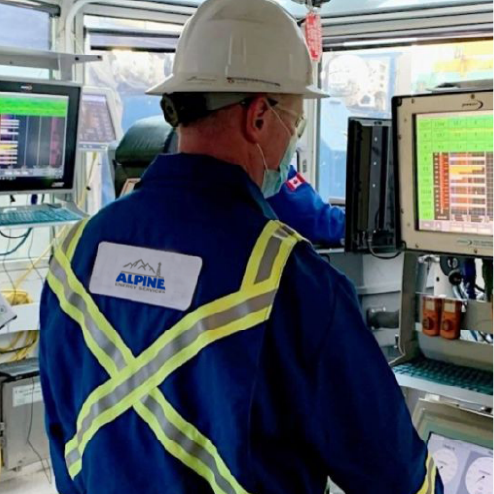
Alpine Energy Services’ client experienced severe fluid losses when drilling through the Wilrich and Mannville coals in Ferrier, Alberta...
See PDF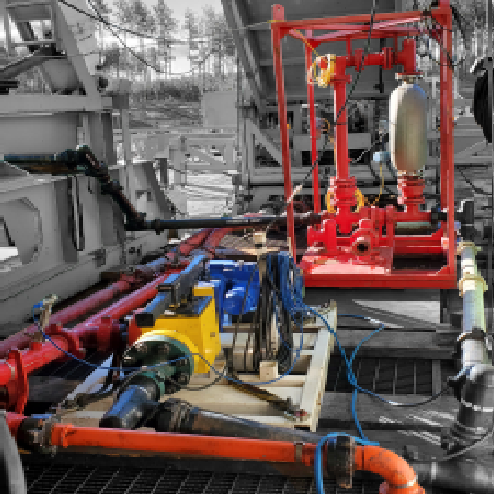
The Mud Weight on Demand™ system enables operators to achieve instantaneous adjustments to drilling fluid density by applying ...
See PDF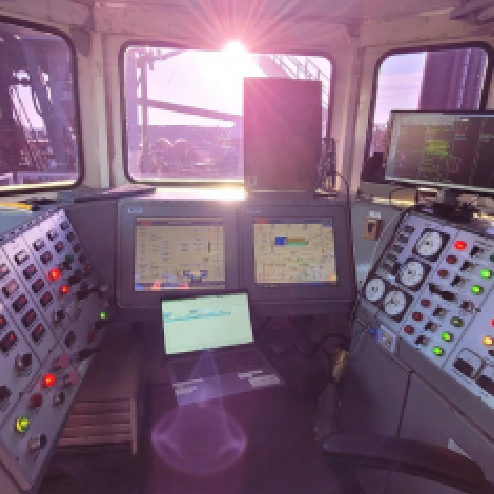
Drilling in Lower Malm formation has historically been challenging due to the formation composition of vugular limestone and its fractured nature...
See PDF
As drilling programs across North America become increasingly complex, operators are seeking more precise, controlled methods to mitigate risk ...
Read Article.
As drilling programs across North America grow increasingly complex, Managed Pressure Drilling (MPD) is no longer reserved for extreme...
Read Article.
Non-productive time (NPT) remains one of the most significant cost drivers in North American land drilling operations. Lost circulation, well control incidents, instability...
Read Article.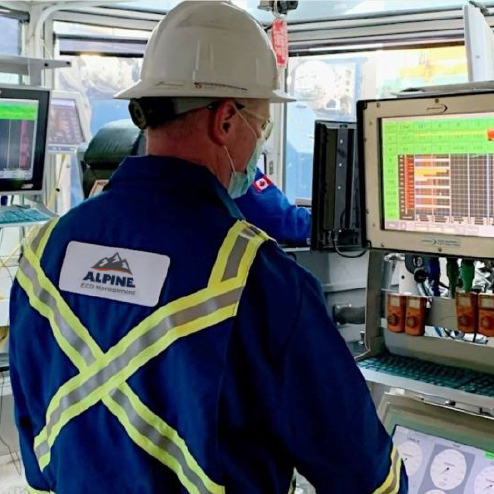
As North American land operations grow increasingly complex, operators are re-evaluating traditional drilling approaches. While conventional overbalanced drilling remains widely used...
Read Article.
We provide technical analysis to assist operators throughout the entire drilling project lifecycle. Services range from feasibility study to operational support.
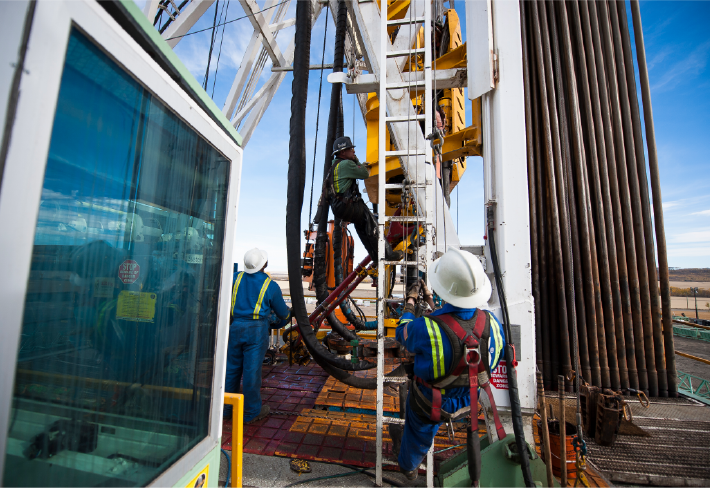
Alongside our office team, our field crew ensure that the drilling process is efficient, safe, and adaptable to changing dynamic conditions.
.png)